Top Coastal Retreats in America: The Definitive 2026 Strategy Guide
The coastline of the United States, stretching over 95,000 miles when accounting for all inlets and island shores, represents one of the most complex and valuable hospitality corridors in the world. As we move through 2026, the concept of the “beach vacation” has been systematically deconstructed and rebuilt. The modern traveler is no longer seeking merely a room with a view; they are pursuing “Blue Mind” wellness—a scientifically backed neurological state of calm triggered by proximity to water. Consequently, the industry has pivoted toward properties that act as environmental mediators, bridging the gap between high-intensity urban life and the restorative rhythms of the tidal zone.
In this context, the definition of a premier coastal experience has shifted from “oceanfront” to “ocean-integrated.” This involves a sophisticated orchestration of architectural transparency, hyper-local maritime culinary programs, and restorative acoustics. The coastal retreat of 2026 is a laboratory of sensory management, where the sound of the surf is treated with the same meticulous care as the interior lighting. From the rugged, fog-shrouded cliffs of the Pacific Northwest to the historic, shingle-style estates of New England, these destinations are becoming the primary anchors for domestic luxury and ecological stewardship.
Understanding this landscape requires a forensic approach that moves beyond the surface-level beauty of a sunset. We must examine the systemic forces at play: the economics of rising sea levels, the psychology of “unplugged” travel, and the technological advancements in sustainable luxury. This pillar article serves as a definitive reference for identifying the top coastal retreats in America, providing the conceptual frameworks and practical metrics necessary to evaluate a property’s true standing in the national hierarchy of oceanic hospitality.
Understanding “top coastal retreats in america”
To correctly identify the top coastal retreats in America, one must first distinguish between a “beach hotel” and a “coastal retreat.” The former is a commodity—a functional unit of lodging defined by proximity. The latter is a destination of intent, characterized by “Atmospheric Integrity.” A true coastal retreat manages the transition from the terrestrial to the maritime with surgical precision. It does not simply put a balcony over the sand; it curates the “liminal space” where the land meets the sea.
A common misunderstanding in the evaluation of these properties is the overvaluation of “Hardware” (the building and amenities) over “Software” (the service and local integration). A property in Malibu may have a ten-million-dollar renovation, but if the staff cannot facilitate a private, tide-dependent kayak excursion or explain the migration patterns of local cetaceans, it remains a luxury hotel that happens to be by the water. The elite tier of coastal hospitality is defined by “Bio-Regional Fluency”—the ability of the property to function as an extension of its specific ecological niche.
Oversimplification also risks ignoring the “Temporal Quality” of the stay. In 2026, the best retreats are those that respect the “Slow Coast” movement, discouraging the high-turnover, high-decibel energy of traditional spring break hubs in favor of “Deep Immersion.” This involves a multi-perspective reality: for the executive, it is a space for “Cognitive Decompression”; for the family, it is a site for “Generational Anchoring.” Evaluation must therefore account for how a property balances these diverse, and often conflicting, psychological needs within a fragile environmental footprint.
The Systemic Evolution of American Maritime Hospitality
The trajectory of the American coast as a site of leisure is a mirror of the nation’s broader socio-economic development. In the late 19th century, coastal retreats were the exclusive domain of the “Gilded Age” elite, who sought refuge from industrial cities in “cottages” that were, in reality, palatial mansions. Properties like The Breakers in Palm Beach or the shingle-style lodges of Bar Harbor established the initial blueprint: privacy, architectural permanence, and a deliberate distance from the “public” beach.
The mid-20th century democratization of travel, fueled by the automobile and the interstate highway system, led to the “Motel Era”—the rise of the classic Pacific Coast Highway motor lodge and the Atlantic boardwalk hotel. This period prioritized accessibility over exclusivity, creating a standardized coastal aesthetic of neon signs and poolside plastic furniture. However, by the late 2010s, a “Boutique Renaissance” began to reclaim these sites, stripping away the mid-century clutter to reveal the raw, natural beauty beneath.
In 2026, we see the rise of “Regenerative Coastalism.” This is a systemic shift where the retreat is no longer a passive observer of the coast but an active participant in its health. The top-tier properties are now integrating offshore oyster reefs for wave attenuation, utilizing greywater systems for dune restoration, and adopting “Dark Sky” lighting protocols to protect sea turtle nesting grounds. The luxury of the modern era is inextricably linked to the preservation of the asset—the ocean itself.
Conceptual Frameworks for Coastal Evaluation
Evaluating a coastal destination requires more than a checklist; it requires a mental model that accounts for the fluid nature of the environment.
1. The “Blue Mind” Saturation Index
This framework measures how effectively a property facilitates a meditative state. It looks at “Visual Noise” (the presence of jet skis, crowds, or industrial ships) versus “Natural Signals” (the clarity of the horizon, the visibility of the tide line). A top retreat will have a high Saturation Index, meaning the guest is constantly, but subtly, reminded of the water’s presence without being overwhelmed by its dangers or its commercialization.
2. The Tidal Integrity Model
Coastal life is governed by cycles. The best retreats synchronize their operations with the tides. This includes “Tidally Sensitive Dining” (menus that change based on morning catches) and “Topographic Programming” (activities that shift from the beach to the cliffs as the water rises). If a property’s schedule is identical to alandlockedd hotel, it has failed the Tidal Integrity test.
3. The “Coastal Friction” Framework
Coastal environments are inherently “high-friction”—sand, salt, humidity, and wind are constant forces of degradation. Luxury in this context is the management of this friction. Does the property have “Sand-Free Transitions”? Are the materials salt-resistant? Is the humidity managed without freezing the guest in a high-AC environment? This framework evaluates the engineering behind the elegance.
Taxonomy of Coastal Retreats: Archetypes and Trade-offs
The American coastline is too diverse for a single standard. We categorize the top coastal retreats in America into six distinct archetypes, each with unique value propositions and inherent compromises.
| Archetype | Defining Characteristic | Key Trade-off | 2026 Representative |
| The Cliffside Sentinel | Dramatic, high-elevation views; rugged privacy. | Limited beach access; wind exposure. | Post Ranch Inn (CA) |
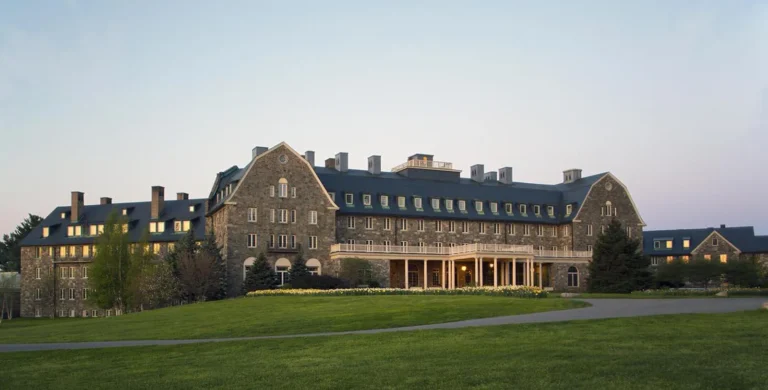
| The Historic Shingle | Timeless, “Old World” nautical elegance. | Smaller room footprints; formal atmosphere. | Chatham Bars Inn (MA) |
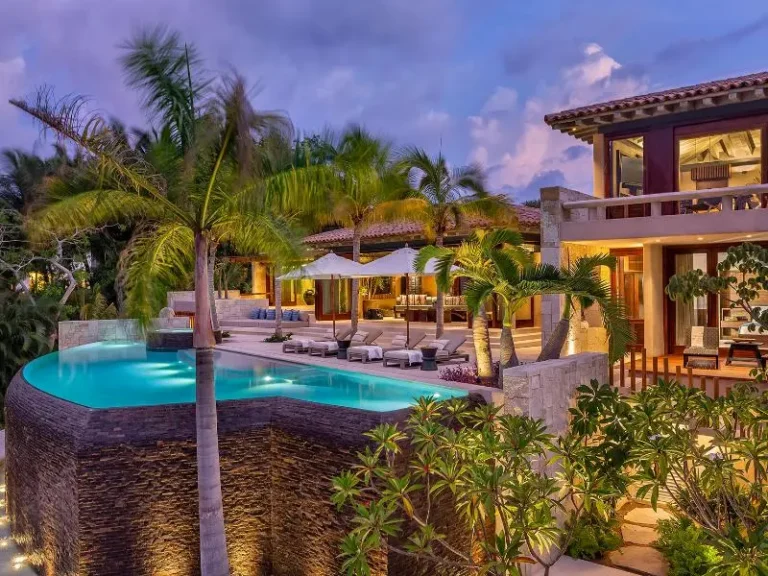
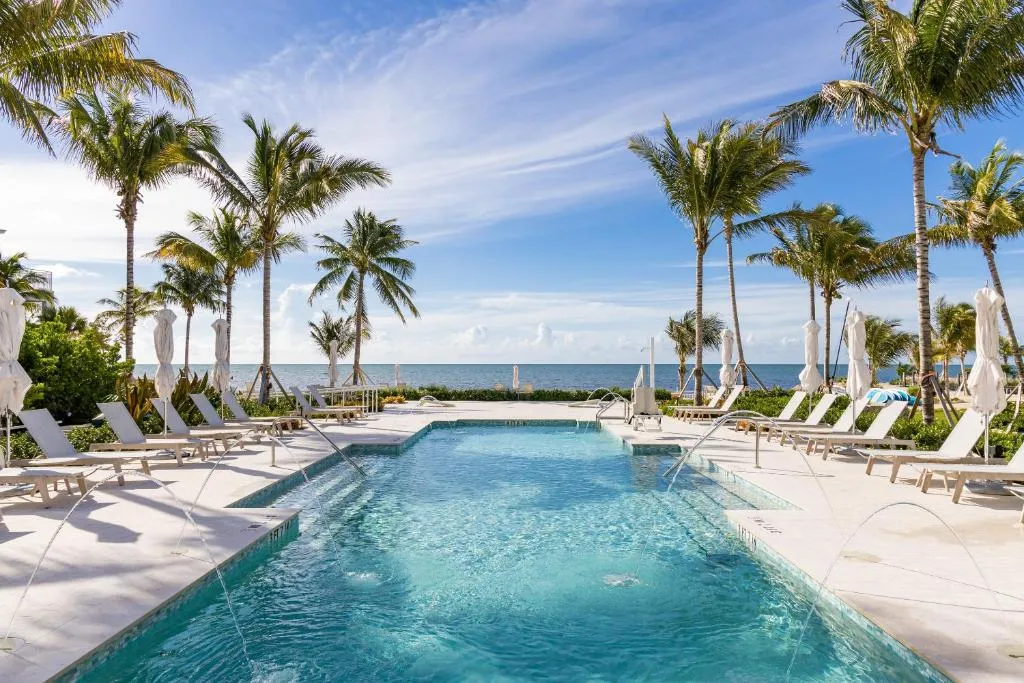
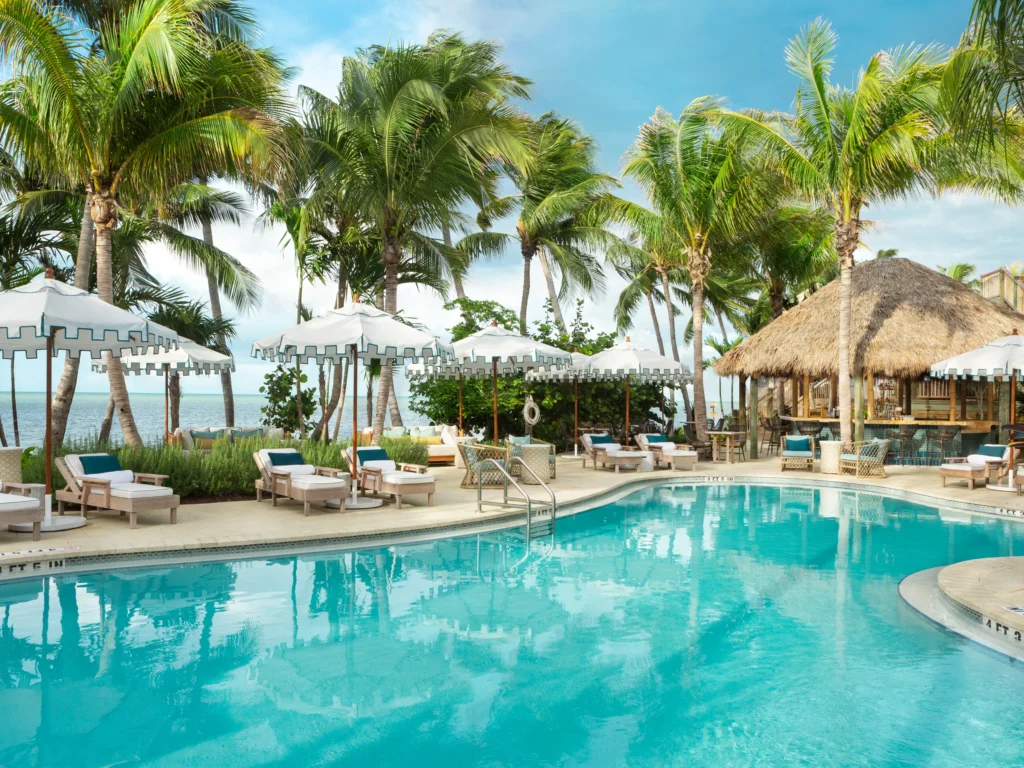
| The Tropical Enclave | Lush vegetation; direct, calm water access. | High humidity; seasonal hurricane risk. | Little Palm Island (FL) |
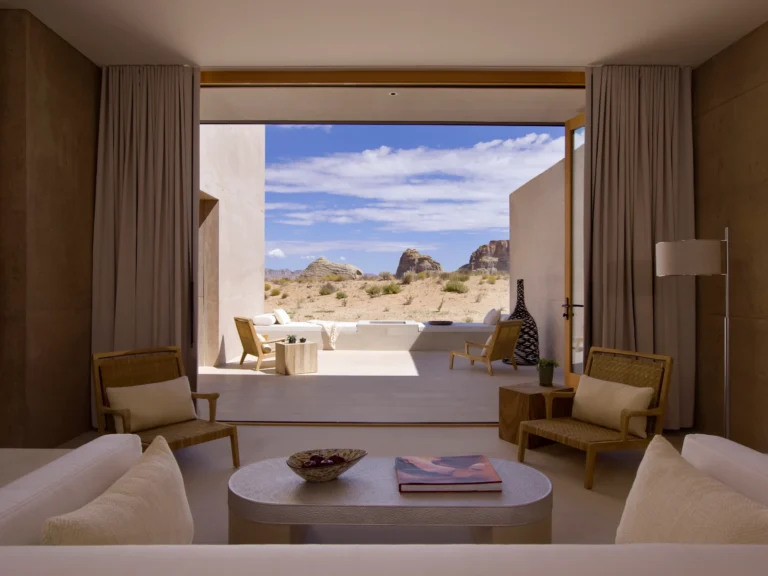
| The Modernist Dune | Minimalist architecture; low-impact design. | Less “traditional” luxury; remote locations. | Amangiri (UT) – Coastal Variant |
| The Pacific Wilderness | Deep nature immersion; cold-water aesthetics. | Challenging weather; specialized gear needed. | Stephanie Inn (OR) |
| The Urban Surf Hub | High-design; proximity to city culture. | Higher “Visual Noise”; less seclusion. | 1 Hotel South Beach (FL) |
Decision Logic: Navigating the Archetypes
The selection of a retreat should follow a purposeful logic:
-
Is “horizon-gazing” the goal? Choose the Cliffside Sentinel.
-
Is “intergenerational legacy” the priority? Choose the Historic Shingle.
-
Is “metabolic reset” the intent? Choose the Pacific Wilderness for its air quality and cold-immersion opportunities.
Detailed Real-World Scenarios
Scenario A: The Multi-Generational Cape Cod Summer
A family of twelve, ranging from age 4 to 82, seeks a two-week retreat.
-
The Choice: A Historic Shingle estate with multiple cottages.
-
The Logic: The estate provides a “Service Buffer.” The older generation enjoys the formal dining and historic lectures, while the younger generation has access to supervised “tide-pool schools.”
-
Failure Mode: Selecting a high-design “Urban Surf Hub” would result in the older generation feeling alienated by the music and the younger generation lacking safe, natural play spaces.
Scenario B: The “Deep Work” Solo Retreat on the Oregon Coast
A creative professional needs five days of isolation to complete a project.
-
The Choice: A Pacific Wilderness lodge during the “storm-watching” season (November).
-
The Logic: The “Acoustic Seclusion” of the winter ocean provides a rhythmic background that enhances focus. The absence of crowds ensures zero social friction.
-
Second-Order Effect: The high negative ion count in the ocean air during a storm has been linked to increased serotonin levels, further aiding the creative process.
Planning, Cost, and Resource Dynamics
The “Cost of the Coast” is increasingly influenced by “Managed Retreat” economics—the rising cost of maintaining infrastructure on a moving shoreline.
Range-Based Resource Table (2026 Estimates)
| Tier | Avg. Nightly Rate | Ground-to-Water Time | Stewardship Fee |
| Accessible Luxury | $600 – $900 | 5 – 10 Minutes | 2% |
| Premier Retreat | $1,200 – $2,500 | < 1 Minute | 5% |
| Ultra-Private Estate | $5,000 – $15,000+ | Private Dock/Beach | 10% (Restoration Fund) |
Opportunity Cost: Choosing a remote Pacific retreat often involves a “Time Tax”—a 4-hour drive from the nearest major airport. The traveler must weigh the value of total seclusion against the “Friction of Arrival.” In 2026, the use of private seaplane transfers has become a standard strategy for bypassing this friction in the Northeast and the Florida Keys.
The Risk Landscape: Environmental and Operational Fragility
Properties that qualify as top coastal retreats in America operate on the front lines of environmental change.
-
Compounding Risks: A property may have excellent service, but if the local “Blue Flag” beach status is revoked due to runoff, the primary asset is devalued.
-
The “Amenity Arms Race” vs. Sustainability: There is a growing tension between the demand for heated infinity pools and the need for energy conservation in fragile coastal zones.
-
Operational Fragility: Coastal resorts rely on a specialized labor force (divers, captains, naturalists). Labor shortages in remote coastal towns can lead to “Service Gaps” where high-value programming (like private charters) is canceled at the last minute.
Governance, Maintenance, and Long-Term Adaptation
For a property to maintain its standing, it must undergo a continuous “Coastal Audit.”
Layered Adaptation Checklist
-
Shoreline Stability: Monitoring erosion rates and the health of native dune grasses.
-
Material Integrity: Quarterly reviews of salt-corrosion on structural and aesthetic elements.
-
Supply Chain Resilience: Ensuring a 72-hour autonomous energy and water supply in the event of coastal storms.
-
Community Integration: Verifying that the property supports local fishing and conservation cooperatives to prevent “Elite Enclave Syndrome.”
Measurement, Tracking, and Evaluation
How does a guest—or an editor—objectively rank these retreats? We use a combination of “Hard” and “Soft” signals.
-
Leading Indicator (Biodiversity Count): The number of native species visible or present on the property. A truly “integrated” retreat will have a thriving, not just “landscaped,” ecosystem.
-
Lagging Indicator (Return Rate): In the luxury coastal market, a 40%+ repeat-guest rate is the gold standard, signaling that the “Atmospheric Integrity” is consistent.
-
Qualitative Signal (The “Quietude” Test): The ability to hear the ocean from the center of the room with the windows closed. This measures the engineering quality and the property’s respect for its primary asset.
Documentation Examples
-
The “Horizon Log”: Noting how often the view is obstructed by commercial activity.
-
The “Salt Log”: Assessing the freshness of the air and the absence of stagnant “harbor” scents.
Common Misconceptions and Structural Myths
-
“The most expensive beach is the best beach.” Price often reflects real estate value, not the quality of the coastal experience. A remote Maine lodge can offer more “Blue Mind” value than a billion-dollar tower in Miami.
-
“Boutique means small.” Some of the top coastal retreats in America are sprawling estates of 500+ acres where the “boutique” feel is achieved through low-density zoning, not room count.
-
“Winter is the off-season.” For “Storm-Watchers” and those seeking cognitive reset, winter is the “Prime Season” for the Pacific and North Atlantic coasts.
-
“Eco-friendly means less comfort.” In 2026, the most comfortable properties are those that use passive cooling, natural ventilation, and sustainable materials that “breathe” better than synthetic luxury.
Conclusion
The architecture of the American coast is in a state of profound flux. The top coastal retreats in America are no longer merely places to observe the water; they are sophisticated vessels designed to navigate the psychological and environmental complexities of the 21st century. As we look toward the remainder of the decade, the properties that will endure are those that prioritize “Deep Integration”—those that see themselves as stewards of the shoreline rather than just occupants. For the discerning traveler, the reward is an experience that transcends the typical vacation, offering a rhythmic, oceanic perspective that lingers long after the salt has been washed away.