Best Mountain Escapes United States: The 2026 Definitive Pillar Guide
The topography of the United States offers a diverse array of geological formations that have, over centuries, transitioned from formidable barriers to essential psychological refuges. As of 2026, the demand for high-altitude environments—those “islands of the sky”—has reached a state of hyper-sophistication. No longer mere sites for rugged extraction or simple recreation, these regions now serve as critical nodes for metabolic recovery, ecological observation, and social distancing in its most literal, geographical sense.
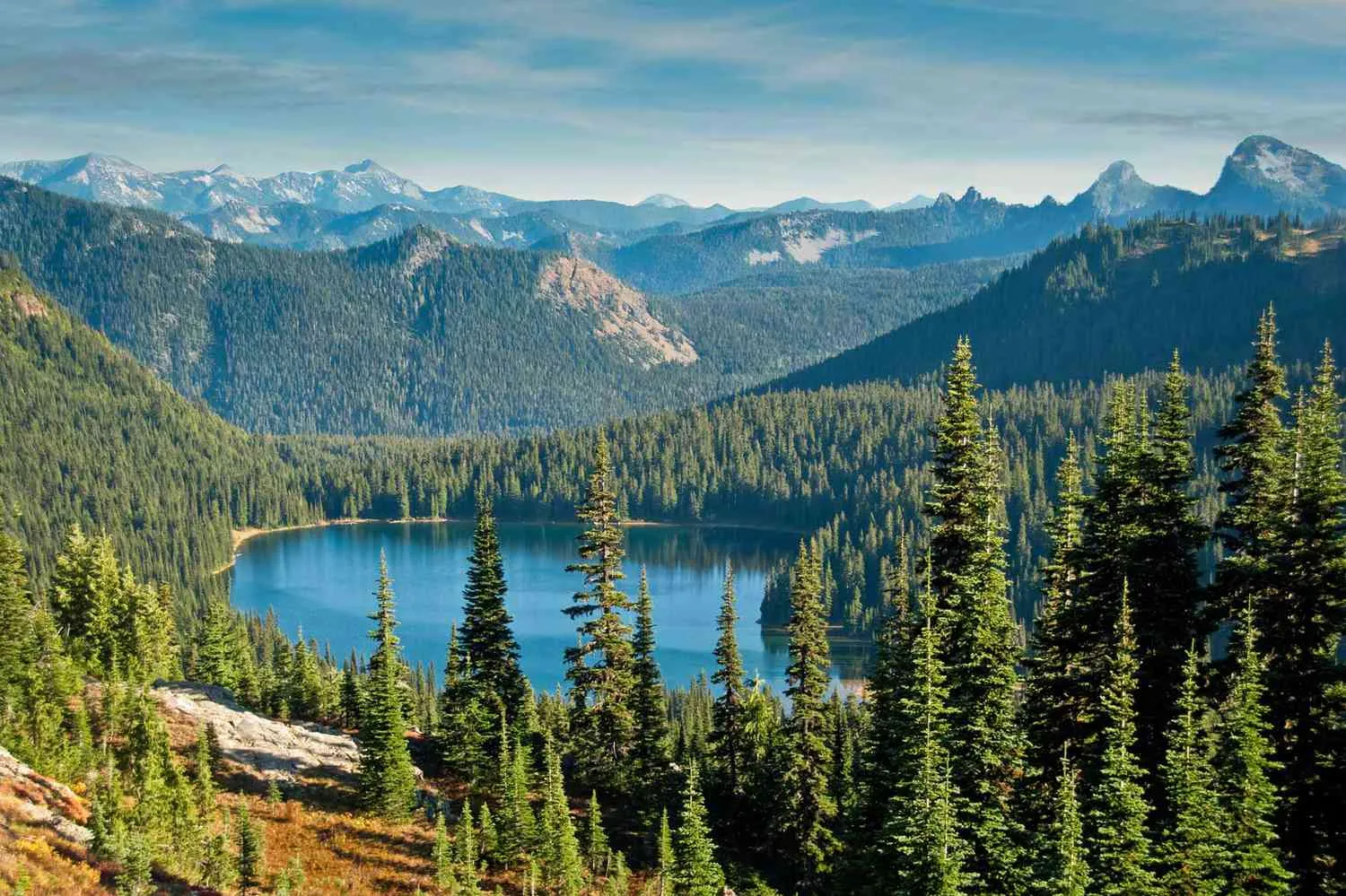
The “mountain escape” is frequently misunderstood as a singular aesthetic or a static list of popular trailheads. In reality, it is a complex intersection of microclimates, access logistics, and cultural overlays. To engage with these landscapes effectively, one must look past the superficiality of seasonal “hotspots” and understand the systemic factors that define quality and sustainability. From the ancient, weathered ridges of the Appalachians to the aggressive, jagged skylines of the Rocky Mountains and the volcanic drama of the Cascades, the American interior provides a vast laboratory for exploring the human-nature interface.
This article serves as a definitive pillar for those seeking more than a reprieve from urban density. It is designed to dismantle the common tropes of mountain tourism and replace them with a forensic understanding of how to identify and navigate the best mountain escapes united states has to offer. By examining the historical evolution of high-altitude travel, the mental models required for successful planning, and the risk landscapes inherent in extreme topographies, we provide a structural framework for experiencing the vertical sanctuary with intellectual and physical rigor.
Understanding “best mountain escapes united states”
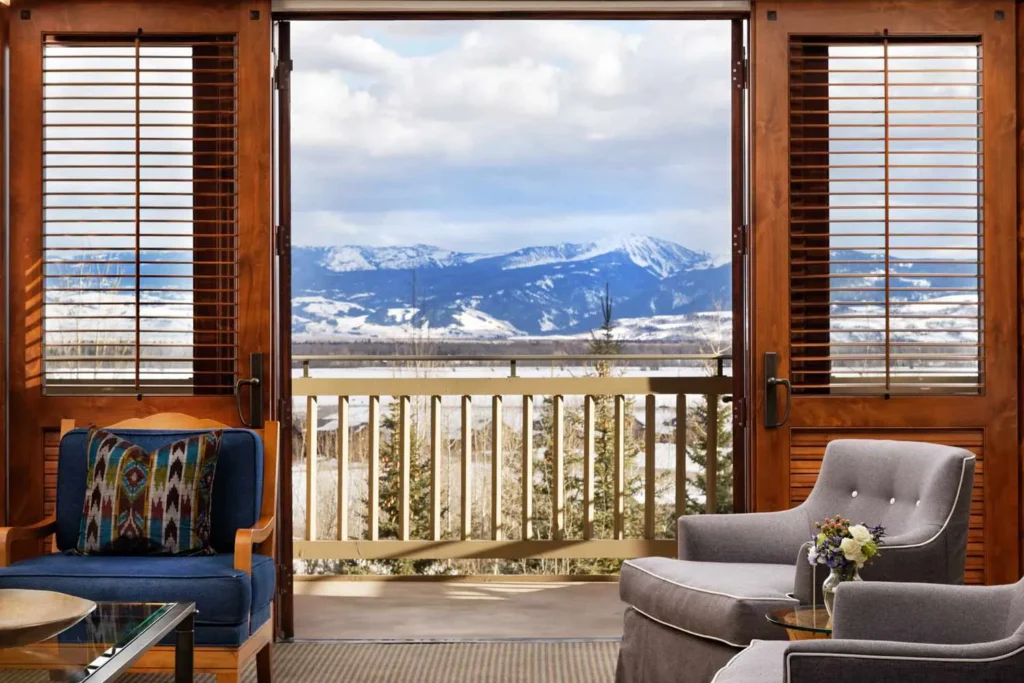
The identification of the best mountain escapes in the United States is an exercise in multi-dimensional optimization. For the discerning traveler, “best” is not a superlative of popularity, but a metric of alignment between intent and geography. One must distinguish between “recreational mountains”—hubs of intensive infrastructure designed for mass throughput—and “contemplative mountains,” where the value lies in isolation and the preservation of the primary wilderness.
A common misunderstanding is the belief that high-altitude quality is proportional to sheer elevation. While the 14,000-foot peaks of Colorado offer a specific physiological challenge, the 6,000-foot summits of the Great Smoky Mountains provide a superior degree of biodiversity and a different, perhaps more intimate, atmospheric experience. To categorize these escapes accurately, one must account for the “Access-to-Isolation” ratio: how far one must travel from a paved road to reach a state of perceived wilderness.
The risk of oversimplification in this space is significant. Many travelers assume that mountain planning is merely a subset of general travel planning. However, mountain environments are “high-consequence” landscapes. A failure to account for adiabatic cooling (the drop in temperature with elevation), UV exposure, or the sudden onset of orographic lift (weather created by terrain) can transform a “best” escape into a logistical crisis. True mastery of this category requires a departure from “vacation thinking” toward “mission thinking,” where the environment is respected as a dynamic, and often indifferent, participant in the journey.
Contextual Background: The Evolution of High-Altitude Refuges
The American relationship with mountains has undergone three distinct phases of development. The Extractive Phase (1850–1910) viewed the mountains as storehouses of timber, minerals, and silver. During this period, the foundations of many current “resort towns”—Aspen, Telluride, Park City—were laid as mining camps. The beauty of the landscape was secondary to the value of its geology.
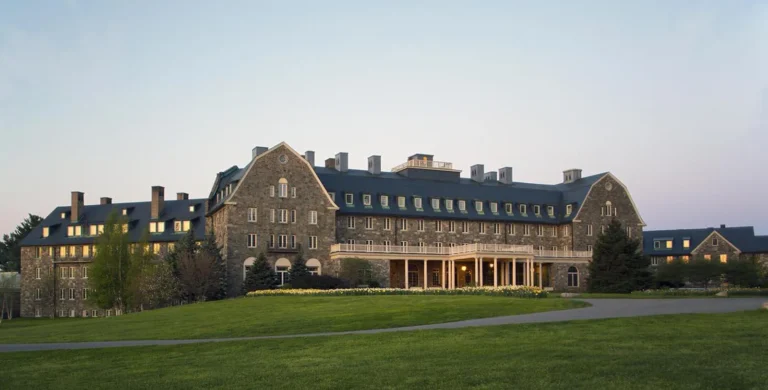
The Sanitarium Phase (1910–1950) saw a radical shift. As industrialization polluted the lowland cities, physicians began prescribing “mountain air” for ailments ranging from tuberculosis to asthma. This era birthed the “Grand Hotels” and mountain springs resorts of the Appalachians and the Adirondacks, establishing the mountains as sites of healing and elite social gathering.
Today, in 2026, we occupy the Post-Recreational Phase. The contemporary mountain escape is increasingly driven by “Ecological Anxiety” and a desire for “Basal State Recovery.” As the world becomes more digital and urbanized, the mountains are valued for their “analog” qualities: silence, physical friction, and the rhythmic cadence of the seasons. This phase is characterized by the rise of “slow peaks”—destinations where the goal is deep immersion rather than “peak bagging.”
Conceptual Frameworks and Mental Models
To navigate the high-altitude landscape with professional judgment, one should employ these specific frameworks:
1. The “Inversion of Convenience.”
In the mountains, convenience and quality are often inversely proportional. The more accessible a destination (paved roads, cellular connectivity, shopping), the lower its “Wilderness Yield.” To find the best escapes, one must actively seek out “Friction Points”—geographical or logistical barriers that filter out casual visitors.
2. The “Biorealm” Mental Model
Instead of thinking in states or regions, think in “Biorealms.” A mountain escape in the Southern Blue Ridge (North Carolina/Georgia) offers a temperate rainforest experience, while the High Sierras (California) offer a subalpine, granite-heavy landscape. Matching your psychological needs (e.g., the need for green/lush vs. the need for stark/monolithic) to the Biorealm is the first step in successful selection.
3. The “Lapsed Time” Variable
Mountain travel is measured in hours, not miles. A five-mile hike on the “Level” can take 90 minutes; five miles in the North Cascades with 3,000 feet of vertical gain can take five hours. Understanding this “Vertical Temporal Scale” is essential for preventing exhaustion and operational failure.
Taxonomy of Escapes: Variations and Strategic Trade-offs
A comprehensive reference requires segmenting the mountain landscape into functional categories.
| Escape Category | Representative Geography | Primary Value | Core Trade-off |
| High-Alpine Granite | High Sierra, CA; Wind Rivers, WY | Monumental views, clear air | Extreme UV, thin oxygen |
| Temperate Cloud Forests | Great Smokies, NC/TN | Incredible biodiversity | High humidity, frequent rain |
| Volcanic Solitude | Cascades, WA/OR | Unique geology, dramatic peaks | Rugged terrain, volcanic risk |
| High Desert Mesas | San Juan Mountains, CO/NM | High contrast, dramatic light | Water scarcity, cold nights |
| Old-Growth Hardwoods | Adirondacks, NY; Green Mts, VT | Cultural history, fall color | Dense forest, limited “views.s” |
Decision Logic: The “Threshold of Comfort”
When selecting among the best mountain escapes in the United States, the traveler must determine their “Operational Floor.” Do you require a climate-controlled lodge with high-thread-count linens, or is the escape defined by the weight of a pack and the proximity to a timberline? The most successful itineraries acknowledge that discomfort is often the “entry price” for the most profound experiences.
Detailed Real-World Scenarios
Scenario A: The “Shoulder Season” Gambit
A traveler seeks the solitude of the White Mountains (New Hampshire) but wants to avoid the “Leaf Peeping” crowds of October.
-
The Adjustment: They visit in early November, during “Stick Season.”
-
The Dynamics: While the foliage is gone, the hotel rates have dropped by 50%, the trails are empty, and the first dusting of snow provides a stark, minimalist beauty.
-
Outcome: A high-utility, low-cost immersion in a world-class landscape.
Scenario B: The “Base-Camp” Pivot
A family wants to experience the Teton Range (Wyoming) during peak summer but finds Jackson Hole overbooked and overpriced.
-
The Adjustment: They set their base in Driggs, Idaho, on the “quiet side” of the Tetons.
-
The Dynamics: They access the same trailheads via the western slopes, find more authentic western culture, and enjoy a 30% reduction in lodging costs.
-
Outcome: Access to the “best” scenery without the “resort” friction.
Planning, Cost, and Resource Dynamics
The “Total Cost of Ownership” of a mountain trip is often obscured by hidden variables.
The Altitude Allocation Matrix (Estimated 2026 Costs)
| Resource Category | Percentage of Budget | Direct Cost Factor | Opportunity Cost Factor |
| Lodging/Base | 40% | Proximity to “Village” | Commute time to trailheads |
| Gear/Technical | 20% | Quality vs. Weight | Safety/Comfort threshold |
| Access/Permits | 10% | National Park entry | Planning lead time (6-12 months) |
| Nutrition/Energy | 15% | High-calorie, low-weight | Metabolic recovery speed |
| Contingency | 15% | Travel insurance/Medical | “Peace of mind” tax |
The Water-Weight Trade-off: In mountain planning, the most critical resource is often the heaviest. Carrying 3 liters of water adds 6.6 lbs to a pack. In arid escapes like the San Juans, the “cost” of not finding a water source is catastrophic. Sophisticated travelers invest in “Ultralight Filtration” to trade gear weight for water security.
Tools, Strategies, and Defensive Infrastructure
To achieve a “Master Class” mountain experience, one must utilize a specific support system:
-
Topo-Mapping Stack: Beyond GPS; utilizing 3D terrain modeling (e.g., Gaia GPS, Fatmap) to visualize “Sun-Exposed” vs. “Shaded” slopes for heat management.
-
PLB (Personal Locator Beacon): A non-negotiable tool for any escape outside of “Resort Bounds” in 2026. Satellite connectivity is the ultimate safety net.
-
Layering Systems: Utilizing the “three-layer” rule (wicking base, insulating mid, weatherproof shell) to manage the “Sweat-Chill” cycle.
-
Permit Arbitrage: Using “Lottery Notification” services to snag cancelled permits for high-demand areas like the Enchantments (WA) or Yosemite (CA).
-
Micro-Microclimates: Understanding “Slope Aspect.” North-facing slopes hold snow longer; South-facing slopes are hotter and drier. This determines what you pack and when you start your day.
-
Altitude Acclimatization: The “Sleep Low, Climb High” strategy. For sea-level residents, spending 48 hours at 5,000 feet before moving to 10,000 feet is a biological necessity.
Risk Landscape: Failure Modes of Alpine Itineraries
The pursuit of the best mountain escapes in the United States is inherently linked to risk management.
-
Hypothermia (The “Wet-Cold” Trap): Most hypothermia cases occur at 40-50°F, not sub-zero. A rainy day at elevation, combined with cotton clothing, is a lethal combination.
-
Dehydration and Altitude Sickness: The “Thirst Lag.” By the time you feel thirsty at high altitude, you are already 2% dehydrated, which significantly increases the risk of AMS (Acute Mountain Sickness).
-
Wildlife Encroachment: In 2026, the “Bear-Aware” protocol is mandatory. Failure to use a bear canister or proper food storage can lead to the “Euthanization” of local wildlife—a permanent ethical failure.
-
Lighting and Cloud Peaks: The “1 PM Rule.” In the Rockies, summer thunderstorms often build by early afternoon. Being above the timberline at 2 PM is a systemic error.
Governance and Long-Term Adaptation
A single trip is an event; a lifetime of mountain exploration is a governance process.
The Annual Alpine Audit
-
Gear Stress Test: Did my boots hold up? Is my shell still waterproof?
-
Skill Refresh: Do I remember how to self-arrest with an ice axe? Can I read a topographical map without a phone?
-
Impact Assessment: Did I leave any trace? Did I contribute to “Trail Erosion”?
-
Destination Diversity: Am I returning to the same “Safe” peaks, or am I expanding my “Biorealm” literacy?
Measurement and Evaluation: Qualitative vs. Quantitative Signals
How do you evaluate if you’ve found the “best” escape?
-
Quantitative (The “Wilderness Pulse”): How many hours passed between seeing another human? (Target for “True Escape”: > 4 hours).
-
Qualitative (The “Cognitive Reset”): Does the brain still “loop” on work-related tasks, or has the focus shifted entirely to immediate physical needs (foot placement, breathing, hydration)?
-
The “Lichen Signal”: The presence of certain lichens and mosses is an indicator of air purity. High-quality escapes should be rich in these sensitive bio-indicators.
Common Misconceptions and Strategic Myths
-
“Summer is the best time for mountains.” For many, the high heat and “Bug Season” (June/July) make summer the worst time. Late August/September often provides the best balance of clear air and stable weather.
-
“Mountain water is pure.” Even the clearest stream in the Tetons can carry Giardia. Treatment is always mandatory.
-
“The higher the peak, the better the view.” Mid-level peaks often offer better views of the highest peaks, providing a more dramatic sense of scale.
-
“National Parks are the only destinations.” National Forests and Wilderness Areas often offer the same geology as National Parks, with 10% of the crowd density and zero entry fees.
Ethical and Contextual Considerations
The mountains are currently facing a “Popularity Crisis.” Overtourism leads to compacted soils, polluted water sources, and the displacement of sensitive species like the Pika. As we seek the best mountain escapes united states offers, we must adopt a “stewardship” mindset. This includes following “Leave No Trace” principles religiously and supporting local economies that prioritize conservation over development. The “Best” escape is one that remains unchanged by our presence.
Conclusion
The American mountain landscape is a cathedral of stone and light that demands both humility and high-level technical preparation. To find the “best” escape is to find a place where the scale of the environment dwarves the ego, providing a necessary correction to the stresses of modern existence. Whether it is the misty ridges of the Blue Ridge or the stark granites of the Sierras, these vertical sanctuaries remain our most vital assets. By moving beyond the superficial and embracing the forensic details of high-altitude travel, we ensure that these escapes remain resilient, accessible, and profoundly transformative for generations to come.