Best Boutique Hotels United States: The Definitive 2026 Guide
The American lodging industry is currently undergoing a structural realignment where the “boutique” designation has moved from a niche aesthetic choice to a dominant asset class. As travelers increasingly reject the sterile predictability of global hotel chains, a new echelon of independent properties has emerged to fill the void. These establishments are characterized by a departure from standardized luxury, favoring instead an “atmospheric specificity” that anchors a guest in a particular neighborhood, history, or subculture. To identify the best boutique hotels united states for 2026, one must look beyond superficial design trends and evaluate the deeper operational mechanics that distinguish a truly bespoke experience from a mere “lifestyle brand” under corporate control.
This shift toward hyper-localized hospitality is not merely a reaction to post-pandemic travel habits; it is the culmination of a decade-long evolution in what constitutes high-tier service. In the modern context, luxury is increasingly defined by the absence of friction and the presence of personality. A hotel with forty rooms can offer a level of “anticipatory intuition” that a thousand-room convention hotel simply cannot sustain. The logistics of intimacy require a vastly different staff-to-guest ratio and a decentralized management style that empowers front-line employees to act as local curators rather than script-following clerks.
Navigating this fragmented landscape requires a sophisticated framework for assessment. The criteria for excellence in boutique hospitality involve a delicate balance of architectural integrity, culinary relevance, and technological subtlety. As we enter 2026, the industry’s leaders are those who have successfully integrated “Stealth Tech”—automation that handles the mundane—while preserving the “Human Edge” for high-value interactions. This article serves as an authoritative audit of the US boutique market, providing the conceptual and practical tools necessary to evaluate properties that are not just places to stay, but intellectual and sensory destinations in their own right.
Understanding “best boutique hotels united states”
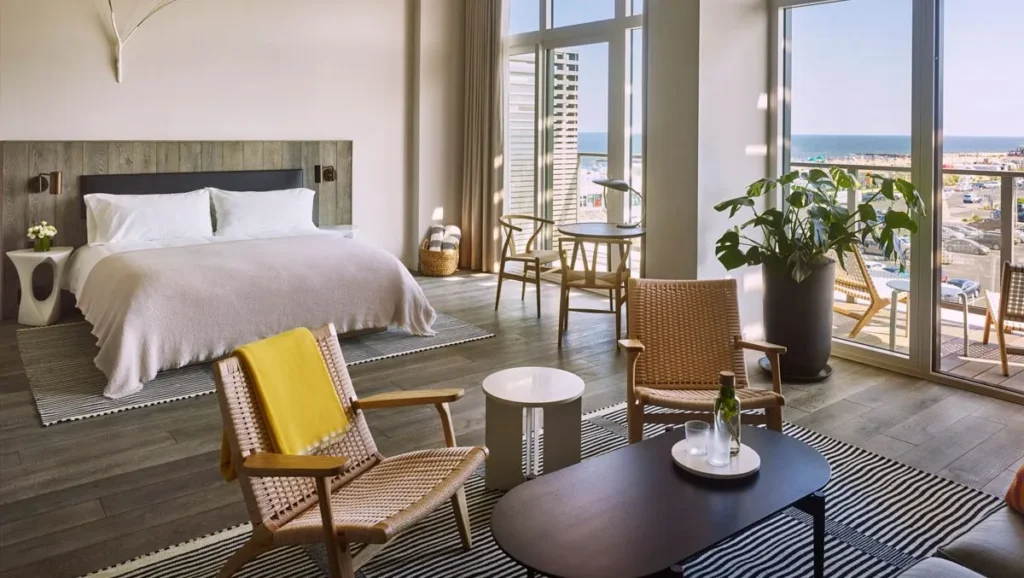
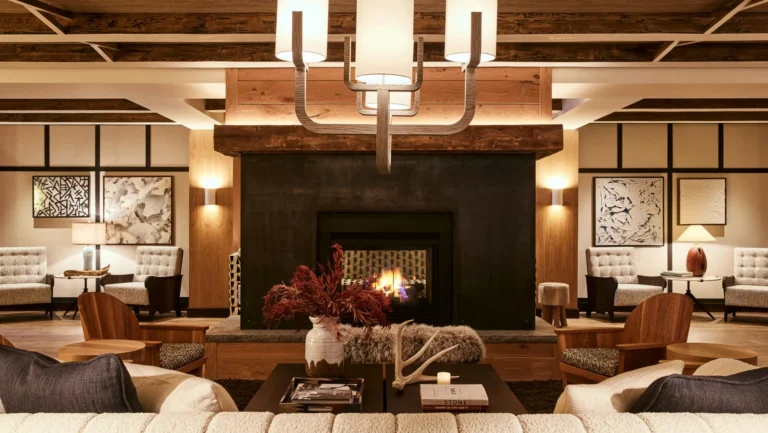
To define the best boutique hotels united states, we must first strip away the marketing jargon that has diluted the term “boutique.” From a rigorous editorial perspective, a boutique hotel is not simply a hotel with a colorful lobby; it is a property where the scale of operations allows for an individualized guest journey. Common misunderstandings often center on room count—while the industry standard suggests a limit of 100 rooms, true boutique excellence is found in the “Soul-to-Square-Foot” ratio. A 130-room property in San Francisco can be more boutique than a 20-room B&B if its cultural programming and service architecture are more deeply integrated into the local fabric.
One oversimplification risk involves the “Design Trap.” It is easy for a property to purchase a “boutique” aesthetic through high-end furniture and “Instagrammable” murals, but without the corresponding service infrastructure, the experience remains superficial. The leaders in the 2026 market are those that avoid “aesthetic homogenization”—the tendency for boutique hotels to all look like they were designed by the same minimalist algorithm. Instead, the best properties embrace “Asymmetrical Luxury,” where the flaws of a historic building or the quirks of a specific neighborhood are treated as assets rather than liabilities to be polished away.
Furthermore, the “best” in this category are often the most resilient to the “corporate creep” of the major Marriott or Hilton “soft brands” (like Autograph Collection or Curio). While these provide loyalty points, they often enforce a level of backend standardization that can stifle a property’s unique identity. The analytical traveler must decide whether the convenience of a points ecosystem is worth the potential loss of a truly independent, unscripted hospitality experience.
The Historical and Systemic Evolution of Boutique Lodging
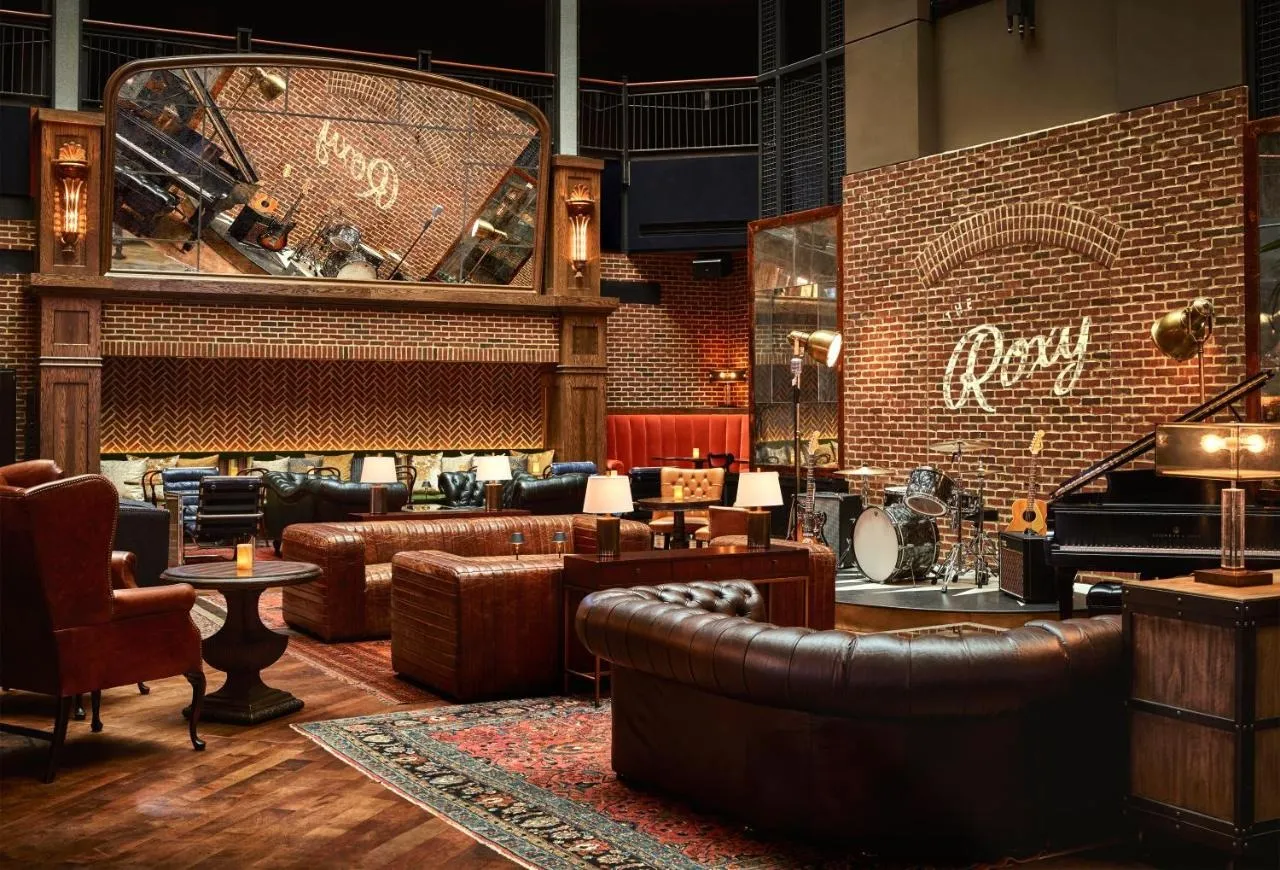
The American boutique movement traces its roots back to the 1980s, specifically with the opening of the Morgans Hotel in New York City by Ian Schrager and Steve Rubell. This era introduced the “Hotel as Theater” model, where the lobby was a social stage and the guest rooms were minimalist sanctuaries. Throughout the 1990s and early 2000s, this evolved into the “Lifestyle Hotel,” popularized by groups like Ace Hotel, which prioritized community spaces and “industrial-chic” aesthetics, making the hotel a hub for the local creative class rather than just a place for out-of-towners.
By the mid-2010s, the market reached a saturation point of “generic boutique,” leading to the current 2026 era of “Authentic Particularism.” We are now seeing the rise of the “Adaptive Reuse” model—hotels housed in former banks, printing presses, or even municipal buildings (such as San Antonio’s Hotel Emma in a former brewery or Baltimore’s Hotel Ulysses). This systemic shift has moved the industry away from “new-build” luxury toward “preservationist” luxury, where the historical narrative of the building is a core component of the guest’s value proposition.
Conceptual Frameworks for Property Evaluation
To evaluate a property beyond the level of a TripAdvisor review, we use three primary mental models.
1. The “Sense of Place” Index
Does the hotel feel like it could exist anywhere? A top boutique hotel should be “contextually locked.” If you were blindfolded and placed in the room, the scent, the view, the textures, and the in-room literature should tell you exactly which city you are in. This is achieved through collaborations with local artists, regional culinary sourcing, and architectural deference to the neighborhood.
2. The Service-to-Friction Ratio
In boutique hospitality, technology should be a silent partner. The framework focuses on whether tech is used to remove friction (mobile keys, automated climate control, instant messaging for requests) or if it creates a barrier between the guest and the staff. The “best” hotels use automation to free up their staff to engage in “high-impact human connection,” such as a personalized welcome drink or bespoke neighborhood recommendations.
3. The Culinary Ecosystem Integration
A hotel restaurant in a boutique setting should not be a “hotel restaurant” in the traditional sense; it should be a “neighborhood restaurant” that happens to be in a hotel. If 70% of the diners on a Tuesday night are locals, the hotel has successfully integrated into the community. This “Local Gravity” is a leading indicator of a property’s long-term cultural relevance.
Key Categories: Variations and Trade-offs
The boutique market in the US can be segmented into distinct operational models, each with specific trade-offs.
| Category | Defining Characteristic | Structural Trade-off | 2026 Leaders |
| The Historic Reinvention | Adaptive reuse of non-hotel buildings. | Quirky layouts; potential for noise or HVAC limits. | Hotel Emma (TX), Hotel Chelsea (NY) |
| The Urban Sanctuary | High-design, minimalist focus in dense cities. | Smaller rooms; limited on-site outdoor space. | 11 Howard (NY), Proper Hotels (SF/LA) |
| The Modern Motor Lodge | Reimagined roadside motels with high-end perks. | Outdoor-facing rooms; can feel less secure for some. | Scribner’s (NY), Timber Cove (CA) |
| The Wellness Enclave | Integrative health, spas, and nature focus. | High daily cost; often remote or hard to reach. | Stanly Ranch (CA), Blue Sky (UT) |
| The Cultural Hub | Heavy focus on music, art, and nightlife. | Can be loud; younger, high-energy demographic. | Ace Hotels, The Robey (Chicago) |
Realistic Decision Logic
Choosing the “best” requires a hierarchy of needs. If the goal is Deep Recovery, the “Wellness Enclave” is the logical choice, but at the cost of being isolated from city life. If the goal is Cultural Immersion, the “Historic Reinvention” in a downtown core is superior, though it may lack the expansive spa facilities of a resort.
Detailed Real-World Scenarios and Failure Modes
Scenario 1: The “Soft Brand” Dilution
A traveler books a highly rated boutique property in Charleston that was recently acquired by a global hotel conglomerate’s “soft brand” collection.
-
The Failure: The property’s once-unique breakfast menu is replaced with a standardized “brand-approved” buffet to cut costs and meet corporate supply chain requirements.
-
The Result: The “boutique” experience is now just a facade; the soul of the property has been sacrificed for operational efficiency and loyalty point integration.
-
The Correction: Always check for recent management changes (last 12 months) before booking an “independent” property.
Scenario 2: The “Aesthetic over Ergonomics” Trap
A high-design hotel in Los Angeles features stunning, brutalist-inspired furniture and mood lighting.
-
The Failure: The lighting is so dim that the guest cannot see into their suitcase, and the “designer” chair is physically uncomfortable for working.
-
The Result: A high “Instagram Value” but low “Living Value.”
-
The Correction: Look for “functional luxury”—reviews that mention room lighting, desk ergonomics, and shower pressure, rather than just the lobby decor.
Planning, Cost, and Resource Dynamics
The “Cost of Boutique” is rarely just the nightly rate. It involves a “Service Premium” that must be weighed against the yield of the stay.
Price and Resource Variance Table (2026 Estimates)
| Tier | Avg. Nightly Rate | Staff:Guest Ratio | Value Proposition |
| The Micro-Boutique (<20 rooms) | $250 – $450 | 1:1.5 | High privacy; “home-like” feel. |
| The Design Flagship (50-100 rooms) | $500 – $900 | 1:2.5 | Top-tier dining; curated social scene. |
| The Ultra-Luxury Retreat (Remote) | $1,200 – $3,000 | 2:1 | All-inclusive wellness; total isolation. |
Opportunity Cost: Choosing a boutique hotel often means forgoing the reliable “Diamond” lounge or free breakfast of a major chain. The “Resource Dynamic” here is the trade of a guaranteed, standardized benefit for a high-risk, high-reward experiential benefit.
Tools, Strategies, and Support Systems
To navigate the market for the best boutique hotels united states, the professional traveler uses a specific toolkit:
-
Independent Curator Platforms: Relying on platforms like Design Hotels, Tablet Hotels (now part of Michelin), or Small Luxury Hotels of the World (SLH), which vet for personality rather than just amenities.
-
The “Live Booking” Delta: Directly calling the property to ask about specific room footprints (since boutique hotels rarely have identical rooms) to ensure you aren’t assigned the “orphaned” room near the laundry.
-
Hyper-Local News Tracking: Using sites like Eater or Architectural Digest to see which hotels are winning awards for their design and dining before they hit the mainstream travel press.
-
Shadow-Inventory Access: Many boutique hotels hold back their “Hero Suites” from Expedia/Booking.com. Booking direct often unlocks inventory that appears “sold out” on third-party sites.
-
Biophilic Assessment: Looking for properties that utilize “Air Quality Management” and “Circadian Lighting”—features that are becoming the new standard for the best US properties in 2026.
Risk Landscape and Failure Modes
The primary risk in the boutique sector is “Identity Drift.”
-
Compounding Risk (The “Instagram Effect”): When a hotel becomes too popular on social media, the demographic shifts from “experience seekers” to “content creators,” which can degrade the on-site atmosphere and overwhelm staff.
-
The “Labor Fragility” Risk: Boutique hotels rely on a few key individuals (the GM, the Head Chef). If these key personnel leave, the quality of the stay can drop 50% overnight.
-
Maintenance Debt: Historic buildings are expensive to maintain. A boutique hotel that looks great in 2023 may have “hidden maintenance debt” by 2026 (failing Wi-Fi, plumbing issues) if the owner hasn’t reinvested.
Governance, Maintenance, and Long-Term Adaptation
For the frequent traveler, a “Boutique Portfolio” requires active management.
The Quarterly Review Checklist
-
Management Audit: Did your top 5 hotels change ownership or GMs recently?
-
Benefit Evaluation: Are you getting “off-book” perks (upgrades, welcome gifts) from properties where you have stay history?
-
Neighborhood Vitality: Is the area around the hotel still vibrant, or has it become a “tourist desert” of chain stores?
Measurement, Tracking, and Evaluation
How do you evaluate if a stay was worth the “Boutique Premium”?
-
Lagging Indicator (The “Memory Anchor”): Can you recall three specific, unique interactions or details about the room six months later? If the memory is a blur of generic white linens, it wasn’t a top-tier boutique stay.
-
Leading Indicator (Staff Engagement): Does the staff offer a recommendation that isn’t on a printed list? (e.g., “The street fair three blocks over just started.”)
-
Qualitative Signal: The “Turn-down Detail.” Is it a generic chocolate, or something that reflects the local culture (e.g., a local poet’s book or an artisanal snack from the neighborhood)?
Common Misconceptions and Strategic Myths
-
“Boutique means more expensive.” Often, boutique hotels are more competitive than Marriott/Hilton because they don’t have to pay massive franchise fees.
-
“Boutique means small rooms.” While true in older cities like NYC, many Western boutique “ranches” or “estates” offer the largest square footage in the market.
-
“Chain hotels can’t be boutique.” Some “soft brands” do it well, but the analytical traveler must look at who operates the hotel day-to-day.
-
“Boutique hotels are only for young people.” In 2026, the “Silver Society” (affluent Boomers) is the fastest-growing demographic for high-end boutique retreats that offer comfort without the “cool factor” noise.
Conclusion
The search for the best boutique hotels united states is ultimately an exercise in identifying “operational honesty.” In a world of algorithmic travel and mass-produced luxury, the properties that stand out are those that remain committed to a singular, non-standardized vision. Whether it is a brutalist tower in Los Angeles or a reclaimed brewery in San Antonio, the pinnacle of US hospitality is found in the spaces that refuse to be anything other than themselves. For the traveler, success lies in moving beyond the “checklist” of amenities and seeking out the “soul” of a property—a quality that cannot be automated, franchised, or faked.